
It is well known that in the first 24 hours after implantation of a pacemaker or defibrillator, there are risks. Sometimes these risks can be considerable due to the age, medical history and physical shape of the patient. These complications can compromise the patient’s clinical status and length of time they spend in hospital, which all increase costs!
Haematoma is a common complication, especially in patients using anticoagulants or antiplatelet. In the case of haematoma there is also an increased risk of developing an infection, which can be extremely serious for the patient.
Another major complication is the displacement of the electrodes, which occurs as a result of mobilisation of the limb too soon. It is generally recommended to immobilise the limb for the first 24 hours. Re-positioning the displaced electrodes requires a re-operation, which obviously holds its own risks, inconvenience and increased medical costs.
click here for further reading
Historically the patient was instructed not to move their arm for the first 24 hours to avoid the electrodes displacing. Ice was commonly applied locally to prevent haematoma, but this is messy and hard to control a constant temperature.
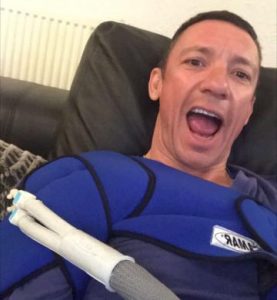
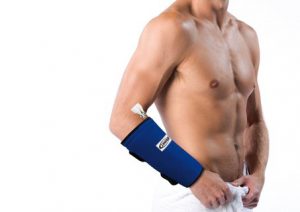
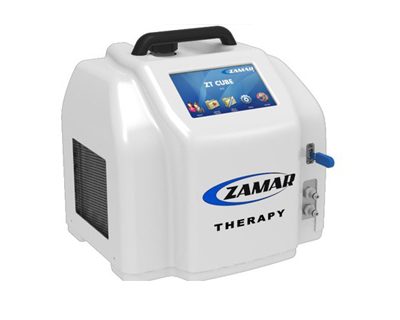
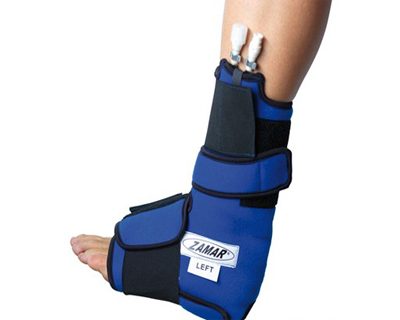
Zamar have developed an immobilising, cooling and compression wrap system called CarePace. All three features combined into a single device provide greater safety and comfort for the patient, which in turn reduce the risk of complications, representing significant savings for the hospital.
CarePace wraps allows mobilisation of the arm, but not the shoulder, stopping any movements which could lead to displacement.
The device applies a mild compression.
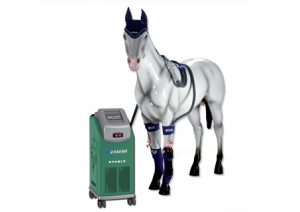
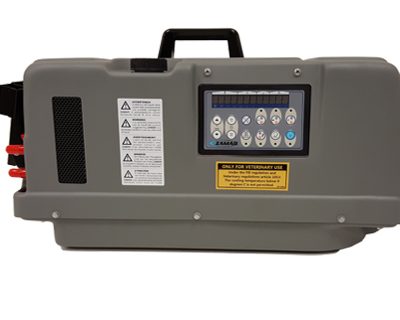
CarePace is equipped with an internal cooling circuit, which can be set at a constant or controlled temperature on the area around the pacemaker pocket and the subclavian vein puncture site.
The system is sterile, disposable and easy to apply, which is designed to be used for the first 24 hours after implantation and removed prior to hospital discharge.
Click here to download our leaflet